🧪
Food-safe by design
We start with PFAS-free chemistry and food-contact compliance, then design products backwards from real-world use: hot curries, oily toppings, and long hold times under heat lamps.
About Leafline Eco
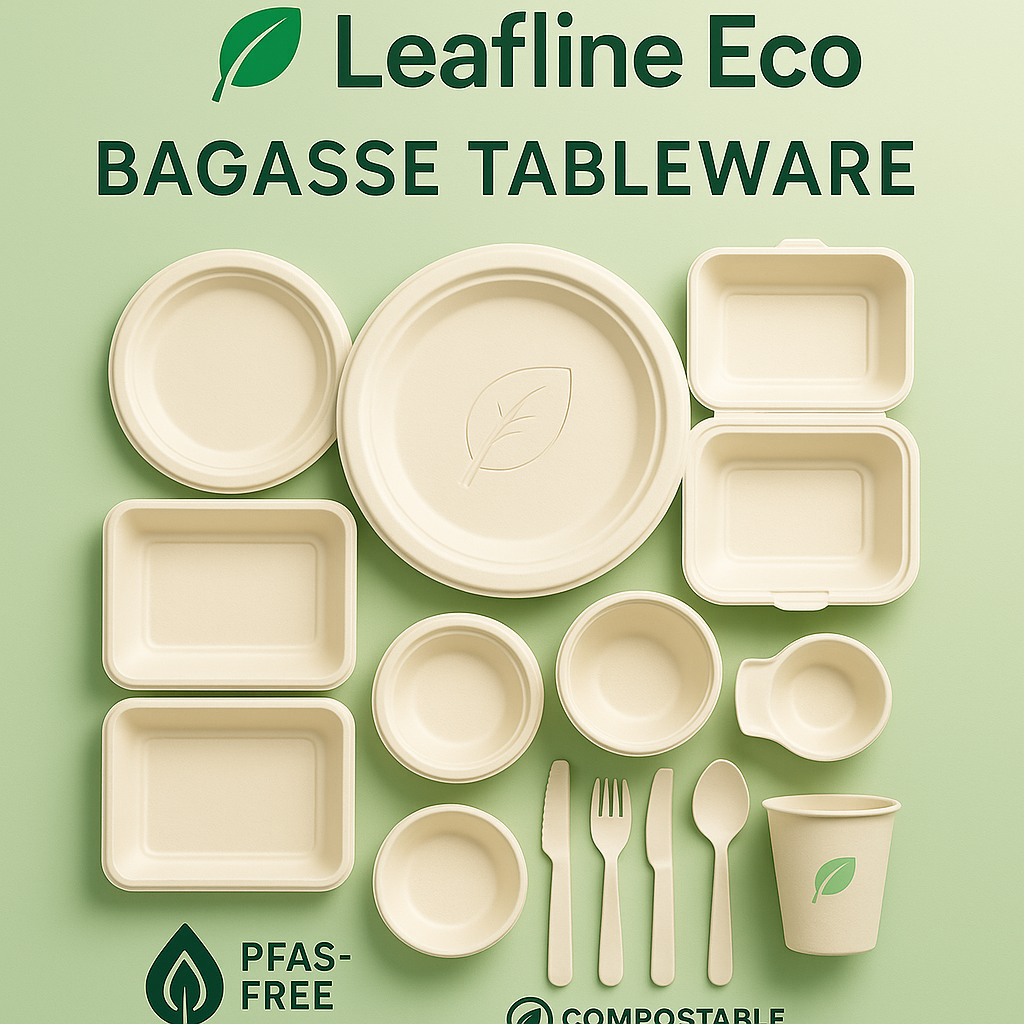
Leafline Eco exists to solve a simple but urgent problem: foodservice is still dominated by plastics and hidden chemicals that outlive every meal. We manufacture PFAS-free, molded-fiber tableware designed to perform in real kitchens, stadiums, and delivery programs — without leaving plastic behind in the soil.
Every plate, bowl, tray, and clamshell we make is engineered like a piece of equipment: validated for heat, liquids, and hold time — not just looks. Our goal is that switching to sustainable packaging feels like an upgrade, not a compromise.
🧪
We start with PFAS-free chemistry and food-contact compliance, then design products backwards from real-world use: hot curries, oily toppings, and long hold times under heat lamps.
🌱
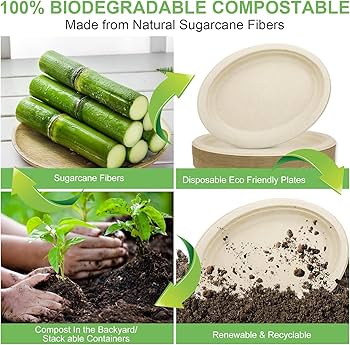
Our molded fiber starts as agricultural by-product, not virgin forests. Sugarcane bagasse becomes durable tableware, then organic input for composting instead of landfill.
📊
We pair every launch with data: migration tests, soak tests, and operational pilots. Your sustainability claims should stand up to regulators, customers, and your own operations team.
2018
Idea in a compost bin
Our founders saw stadiums and food halls sending mountains of single-use plastics to landfill after every event, and decided to build a better baseline.
2020–2022
Material science first
We ran dozens of iterations on fiber recipes, forming pressures, and PFAS-free barrier systems — until plates and bowls could handle real kitchen abuse.
2023
First multi-site rollouts
Leafline Eco launched into quick-service, campus dining, and catering accounts — replacing millions of plastic and foam units with compostable fiber.
Today
Part of your climate plan
We work with brands as a technical partner — adjusting SKUs, fibers, and pack formats to fit your ESG goals and your back-of-house constraints.
1️⃣
We start with sugarcane bagasse — a by-product that would otherwise be burned or landfilled — and turn it into a high-performing fiber feedstock.
2️⃣
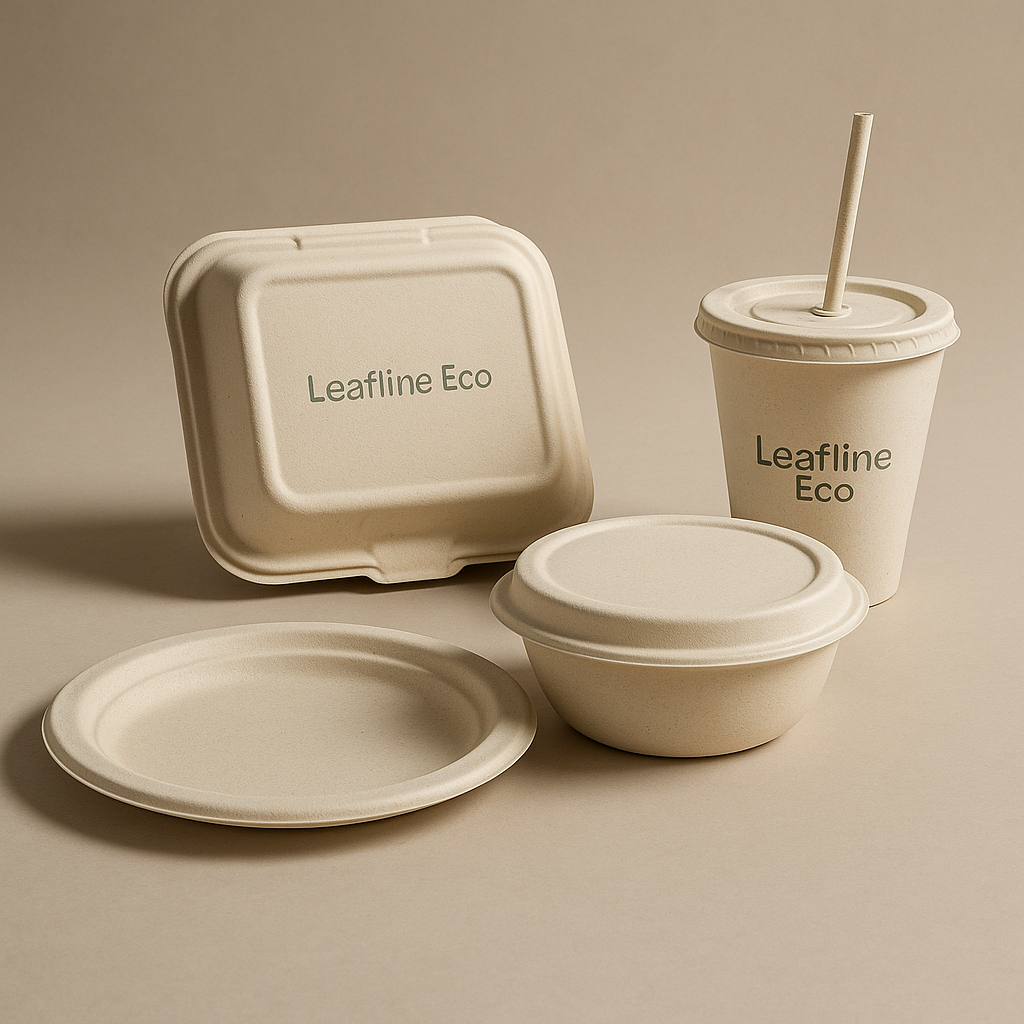
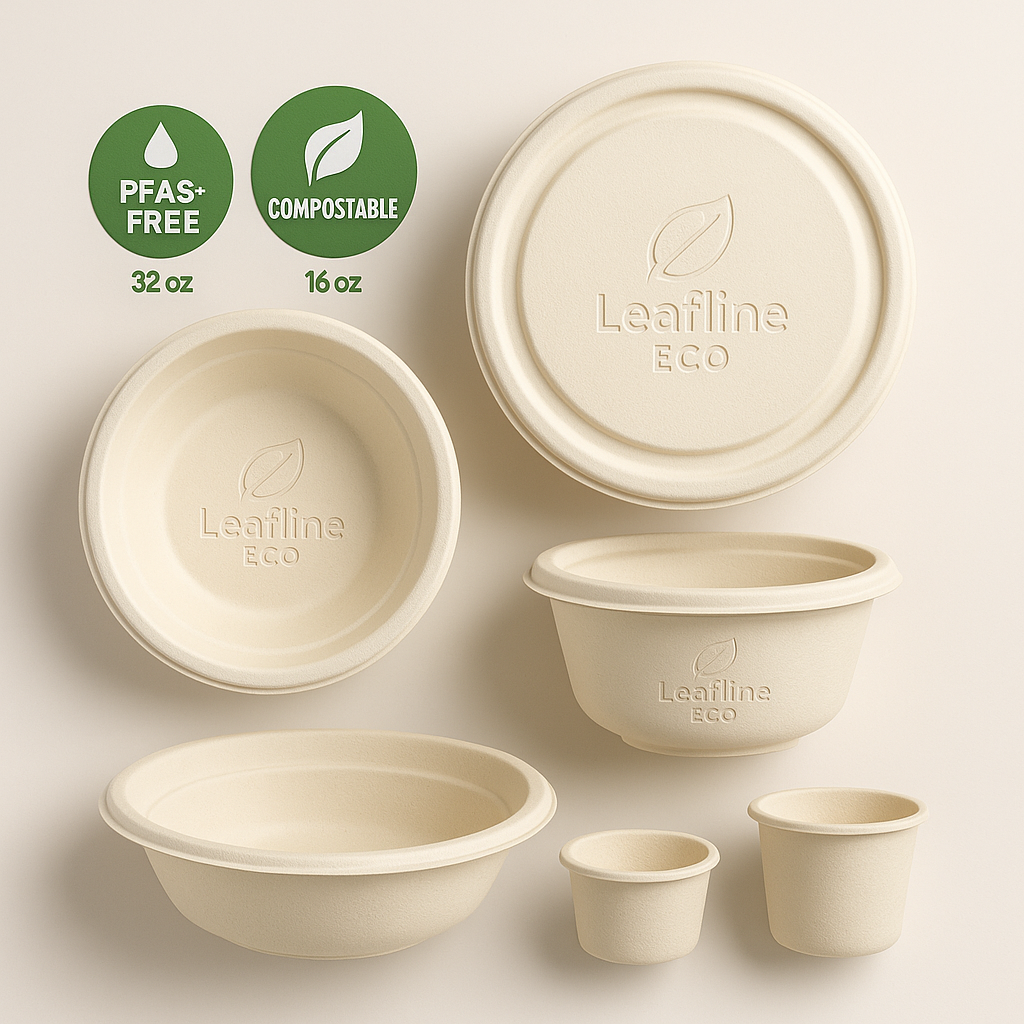
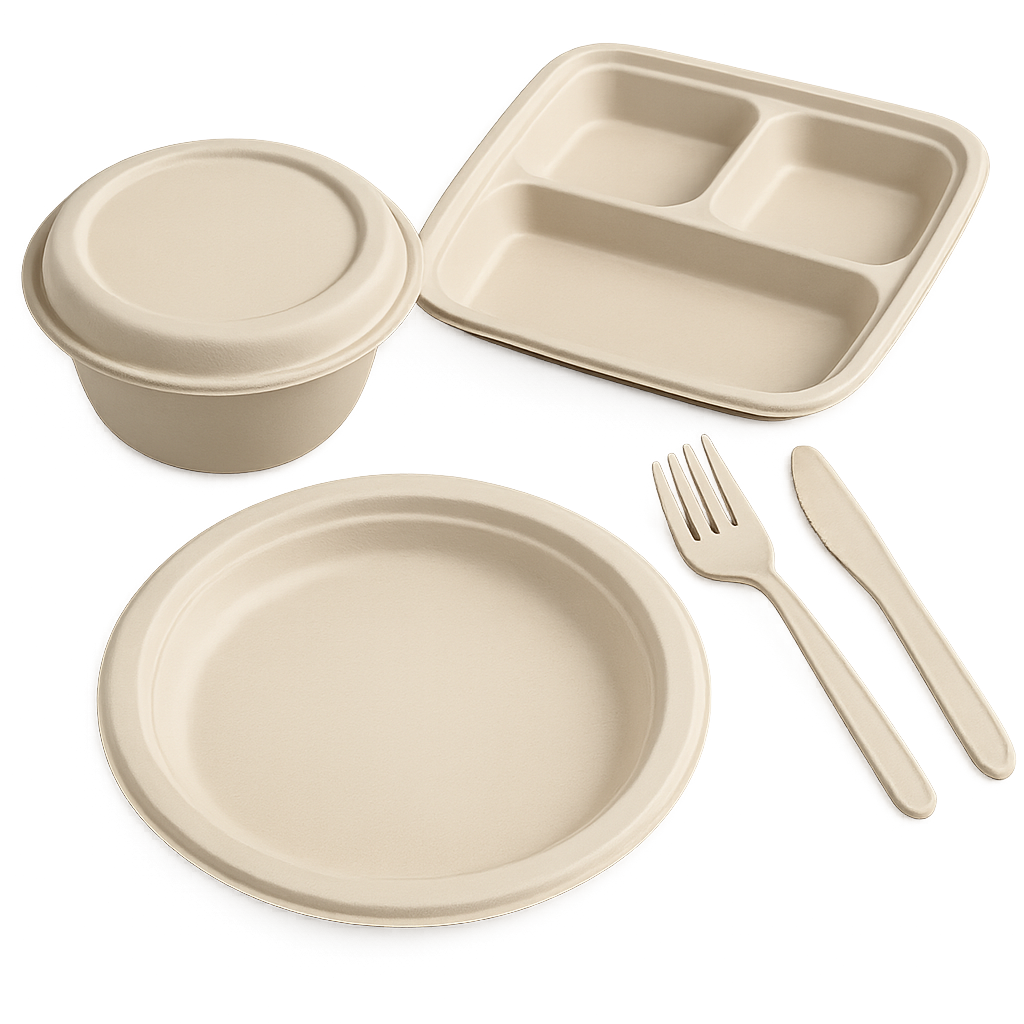
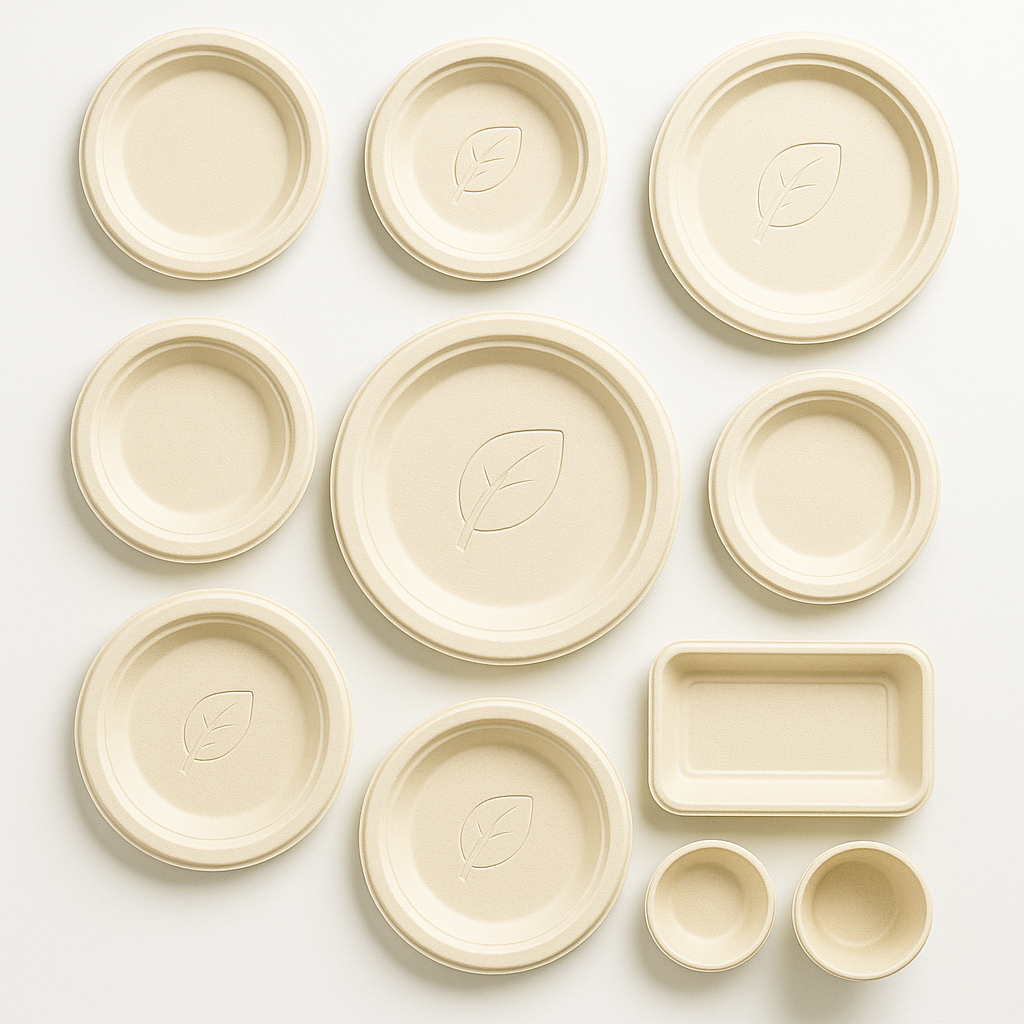
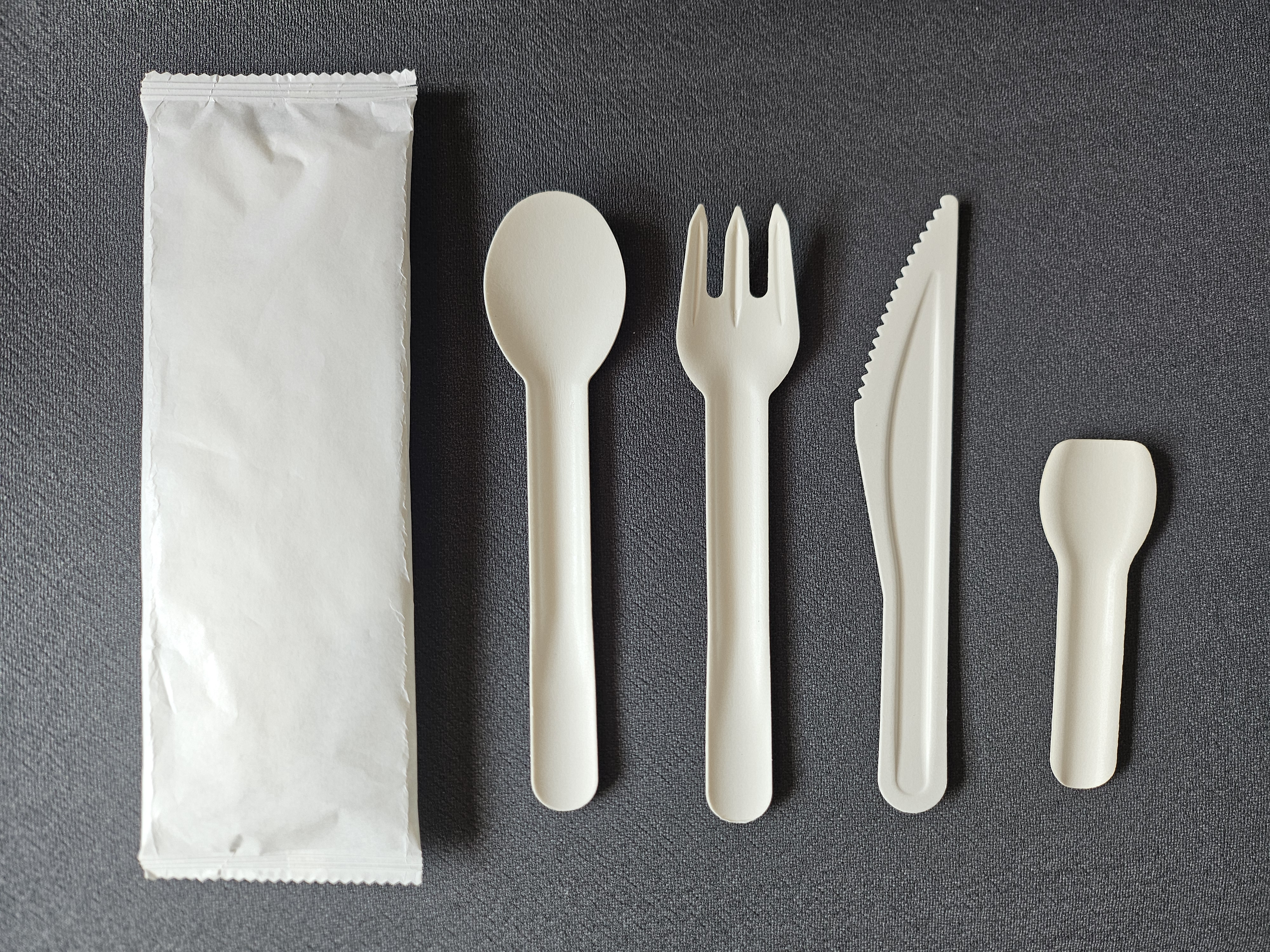
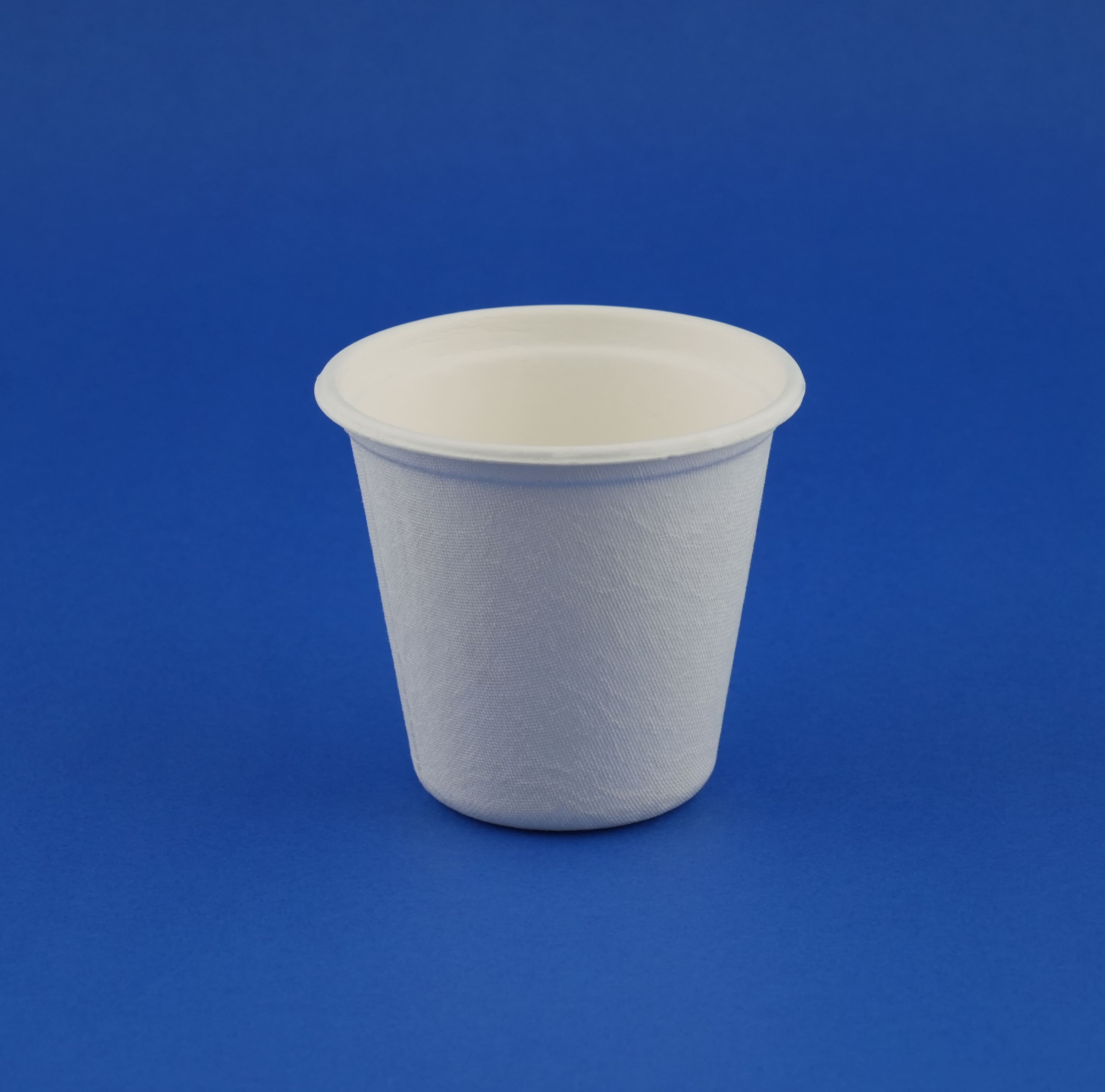
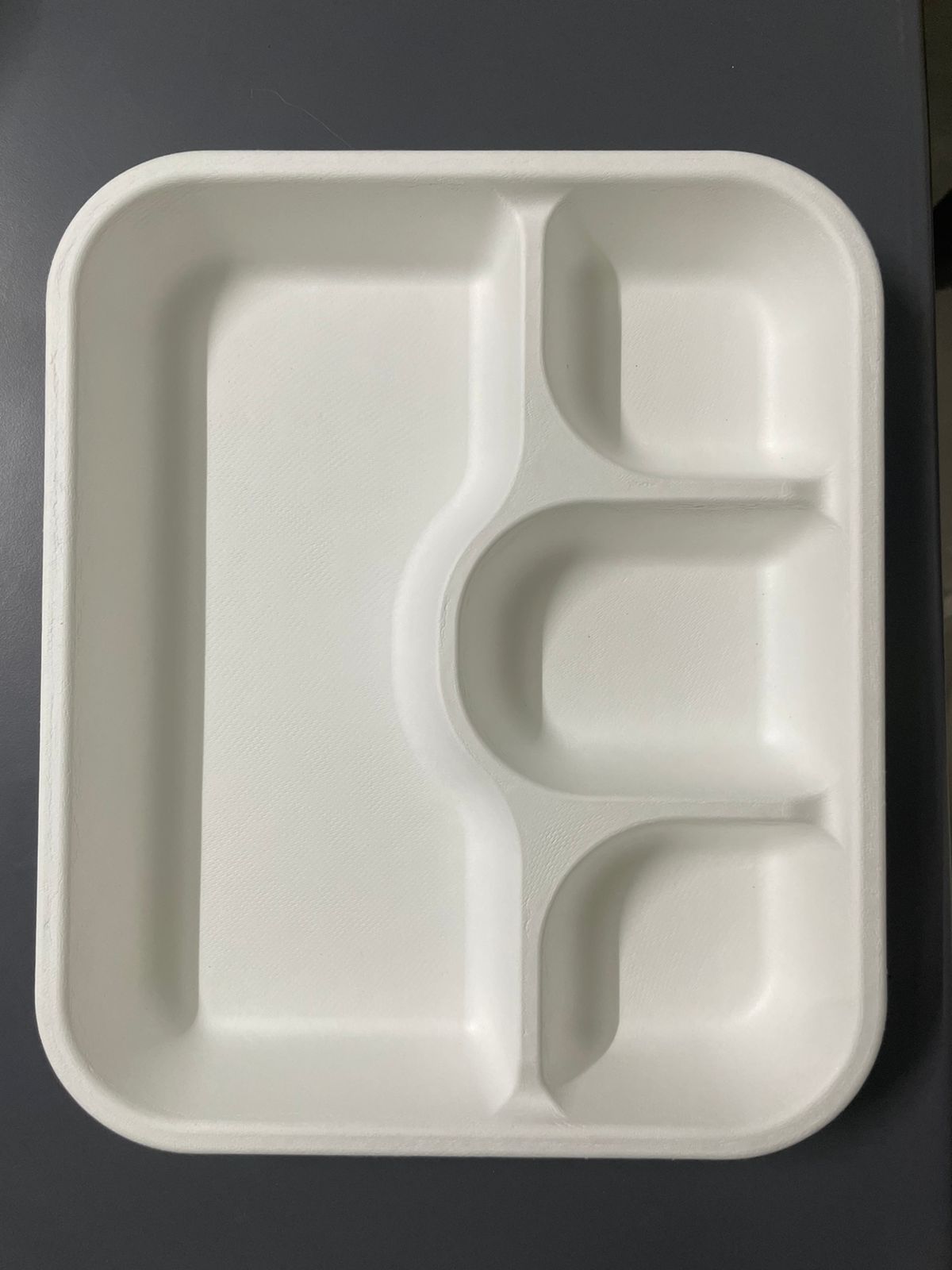
Fiber is cleaned, pulped, and formed in precision molds to create plates, bowls, trays, clamshells, and cups with consistent wall thickness.
3️⃣
We apply PFAS-free barrier systems tuned for hot, cold, oily, and liquid foods, then test for migration and durability in real-world conditions.
4️⃣
Cartons are optimized for pallet density and storage. After use, products are designed to move into commercial or community composting streams.
Leafline Eco works with accredited labs and certification bodies to validate compostability, food-contact safety, and PFAS-free claims for key SKUs.

Materials & R&D
Fiber scientists and packaging engineers who obsess over heat resistance, soak performance, and compostability curves.
Operations
Planners and plant teams who keep molding lines, QC checks, and logistics running so you can trust every shipment.
Customer impact
A team focused on sustainability reporting, SKU mapping, and staff training so your switch away from plastics “just works”.
Next step
Share your current packaging mix and we’ll translate it into a Leafline Eco footprint: SKUs, pricing, and a simple impact summary for your ESG team.